Natural Birth Control and Hormone Health Explained.
30 January, 2026· Article by Taylor Anderson


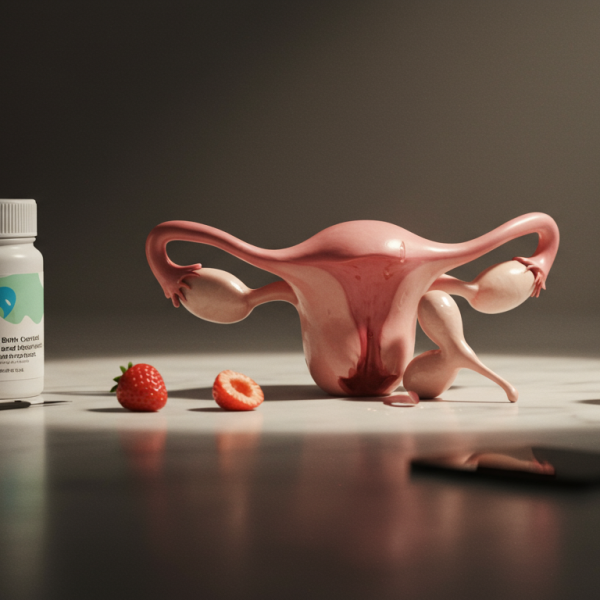
Many people are rethinking traditional contraception and synthetic hormones, searching for safer, more natural ways to support their bodies. Whether you are concerned about side effects, curious about fertility awareness, or simply want to understand how your cycle actually works, learning about non-hormonal birth control and hormone health can be empowering. This guide breaks down the main options, how they impact your hormones, and what to consider before making changes.
1. Why Your Menstrual Cycle Matters for Overall Health
Your menstrual cycle is often called a fifth vital sign because it reflects what is happening in the rest of your body. Regular, ovulatory cycles are linked to bone strength, brain function, metabolic health, and mood stability. When synthetic hormones override or suppress your natural cycle, you might lose that built-in health feedback system.
Understanding how your cycle works is the foundation of natural birth control. A typical cycle includes follicular, ovulatory, and luteal phases, regulated by fluctuating levels of estrogen, progesterone, luteinizing hormone, and follicle-stimulating hormone. Paying attention to these shifts can help you identify fertile and infertile windows without medication. For those looking to grow an online presence in this niche, building authority through quality content and strategic use of backlinks website can significantly amplify reach and impact.
2. Fertility Awareness Methods: Tracking Your Fertile Window
Fertility awareness methods (FAMs) rely on daily tracking of biological signs to determine when you are fertile and when you are not. Unlike hormonal contraception, FAMs do not suppress ovulation or alter hormone levels; instead, they help you work with your cycle.
Common fertility awareness approaches include:
- Basal body temperature tracking: Measuring your resting temperature each morning to identify the subtle rise that happens after ovulation.
- Cervical mucus observations: Noting changes in texture, color, and stretchiness, which signal rising estrogen and approaching ovulation.
- Cervical position checks: Assessing how high, soft, or open the cervix feels during different phases of your cycle.
- Symptom-based methods: Combining multiple indicators, such as mood, energy, and breast tenderness, with temperature and mucus signs.
When practiced consistently and taught correctly, some fertility awareness methods can be highly effective for both avoiding and achieving pregnancy. However, they require daily attention, education, and often a learning period of several months to interpret signs accurately.
3. Barrier Methods That Do Not Affect Hormones
Barrier methods physically block sperm from reaching the egg and have no direct impact on hormone levels. These options can be combined with fertility awareness for added protection.
Key barrier methods include:
- Condoms: Widely available, they provide protection against both pregnancy and many sexually transmitted infections. They do not interfere with ovulation or natural hormone production.
- Diaphragms and cervical caps: Reusable devices placed over the cervix before intercourse, often used with spermicide. They are hormone-free and can be inserted only when needed.
- Spermicides and gels: Chemical or pH-altering products that immobilize or kill sperm. Some newer formulations aim to be less irritating, but they do not affect hormone balance.
These methods are flexible and reversible. However, they may have lower effectiveness rates than hormonal options if not used consistently and correctly every time.
4. The Non-Hormonal Copper IUD
The copper intrauterine device is a long-acting, reversible, non-hormonal contraceptive. A small T-shaped device is placed in the uterus by a healthcare provider, where copper ions create an environment that is toxic to sperm.
From a hormone perspective, the copper device does not contain synthetic hormones and does not aim to suppress ovulation. Many users continue to ovulate regularly and maintain their natural hormone rhythms. However, some experience heavier or more painful periods, especially in the first months after insertion.
This method is particularly appealing to those who want long-term contraception without daily tracking or pill-taking but still want to avoid synthetic hormones. As with any intrauterine method, it requires medical consultation for insertion and removal.
5. How Synthetic Hormones Can Influence Your Health
Hormonal contraceptives, such as the pill, patch, ring, implants, and some devices, work primarily by delivering synthetic estrogen, progestin, or both. These compounds can prevent ovulation, alter cervical mucus, and thin the uterine lining, making pregnancy less likely.
While effective, suppressing ovulation can mean:
- No true menstrual cycles: Many withdrawal bleeds are not actual periods but bleeding caused by hormone withdrawal.
- Altered nutrient needs: Some hormonal methods are associated with reduced levels of certain micronutrients, which may require attention to diet and supplementation.
- Mood and libido changes: Individual responses vary, but some people report shifts in mood, anxiety levels, or sexual desire when using synthetic hormones.
These methods are safe and appropriate for many, but understanding how they interact with your overall hormone health can help you make a more informed decision about whether they align with your goals.
6. Supporting Hormone Health Naturally
Whether you choose natural or hormonal birth control, lifestyle choices have a major impact on hormone balance. Key areas to focus on include:
- Nutrition: Adequate protein, healthy fats, fiber, and micronutrients support sex hormone production, liver detoxification, and blood sugar stability.
- Stress management: Chronic stress elevates cortisol, which can disrupt ovulation, shorten the luteal phase, and contribute to irregular cycles.
- Sleep: Deep, consistent sleep supports hormone regulation, including melatonin, insulin, and reproductive hormones.
- Movement: Regular physical activity improves insulin sensitivity and circulation, both crucial for healthy ovarian function and hormone metabolism.
- Toxin reduction: Limiting exposure to endocrine-disrupting chemicals in plastics, cosmetics, and cleaning products can protect hormone receptors and balance.
A holistic approach combines appropriate contraception with supportive habits that keep your entire endocrine system functioning more smoothly.
7. Choosing the Right Option for Your Body and Goals
No single method is right for everyone. When evaluating natural birth control and its impact on hormone health, consider your personal risk tolerance, daily routine, health history, and reproductive plans.
Important questions to ask yourself include:
- How comfortable am I with daily tracking and body-awareness practices?
- Do I have underlying conditions that might be affected by hormonal or non-hormonal methods?
- Am I seeking short-term, flexible contraception or long-term, low-maintenance protection?
- How important is it for me to maintain regular ovulatory cycles?
Discuss these questions with a qualified healthcare professional or fertility awareness educator. Combining expert guidance with your own values and preferences helps you choose a method that supports both effective birth control and long-term hormone health.
Conclusion: Informed Choices for Cycle and Hormone Health
Moving toward more natural birth control options is not just about avoiding synthetic hormones; it is about understanding your body, respecting your cycle, and making choices that align with your health priorities. By learning how your fertility works, exploring non-hormonal methods, and supporting your hormones through lifestyle, you gain more control and clarity over your reproductive health.
The most sustainable approach is the one you can maintain confidently, with clear knowledge of benefits, limitations, and how it fits into your broader wellbeing. Staying informed, tracking your own patterns, and seeking trustworthy education and support are key steps toward a healthier relationship with both contraception and hormone balance.
Recent Posts

Healthy Pregnancy Guidance for...

Contraccezione e Salute sai Da...

Et si Votre Grossesse Cachait ...

La Salud de tus Hijos Empieza ...

Comment préparer une grossess...